


What are the best high-altitude water treatment methods? Phyto-treatment project to get underway in the Gran Paradiso National Park
The treatment of alpine shelter wastewater poses a difficult problem in view of the impossibility of connecting the discharge pipes to a normal sewer system and, in many cases, the impossibility of constructing and operating a normal effluent treatment system..
Growing interest in the mountain environment has brought growing numbers of visitors to high places and numerous shelters located along the alpine mountain trails offer sleeping accommodations and warm meals to excursionists, climbers and tourists. This is exemplified by the Pontese and Savoia mountain huts, both of them located within the confines of the Gran Paradiso National Park.
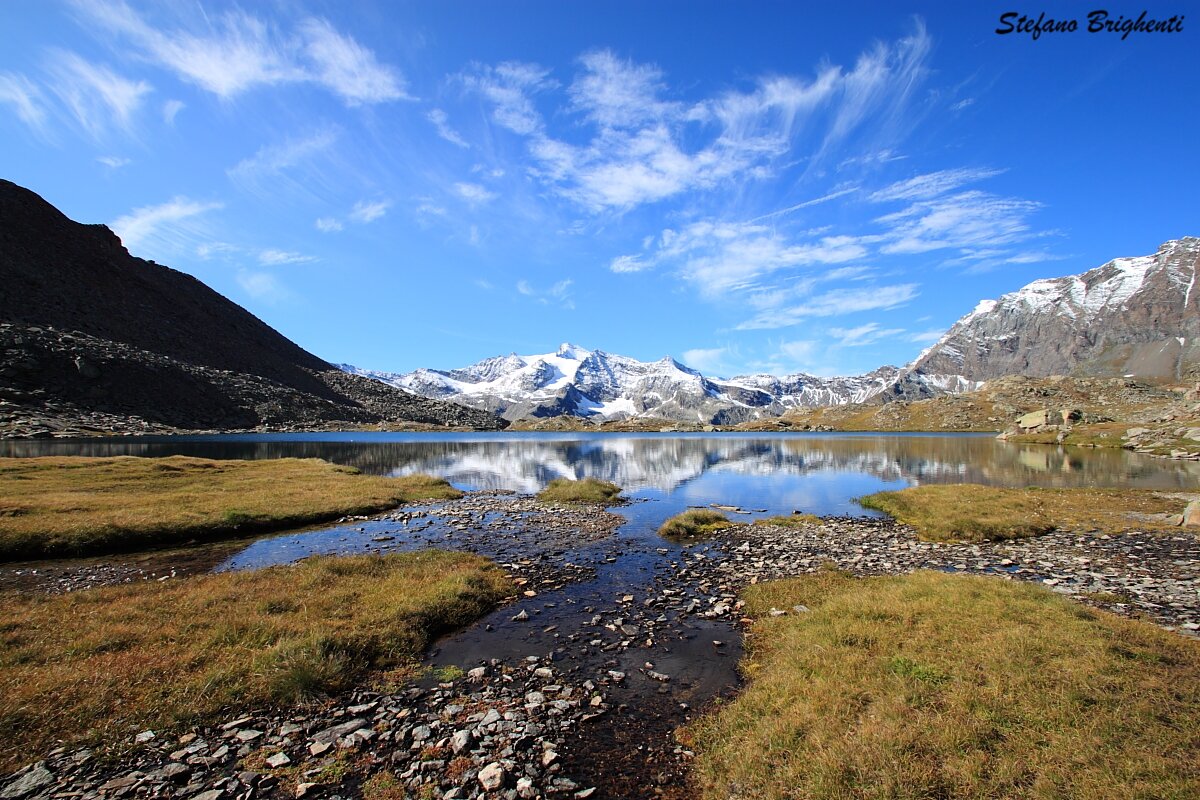
Many alpine shelters rise in areas characterised by a fine landscape and a rich natural habitat: among these particularly “sensitive” areas we find the alpine lakes, environments of great interest, from the naturalistic and the scientific viewpoints, and as tourist destinations, which host well preserved aquatic ecosystems. These circumstances call for wastewater management modalities that can make the impact of anthropic activities sustainable, so as to preserve the delicate balance associated with high-altitude aquatic habitats.
In addition to tourist structures, such as the mountain huts, sheds where livestock are sheltered and milked are another source of concentrated organic wastes. The negative effects of farming and animal husbandry activities mainly concern the banalisation of pastures and lean meadows.
In either case, the adoption of a phytofiltration system can provide a viable solution for the secondary treatment of the wastewater produced by mountain huts and by the presence of livestock. The use of these systems in mountain areas has a markedly experimental character and can make a significant contribution to the development of efficient methods for wastewater management in high-altitude areas hosting tourist accommodation facilities.
With specific reference to the geomorphologic features of mountain areas, where flat surfaces are scarce, standard configuration phyto-treatment systems cannot always be installed, and therefore alternative solutions, such as, for instance, phyto-pedo-treatment systems, have been sought to get around this problem. In this case, the treatment does not rely on the use of plants that grow in wet environments, but makes use of an efficient substrate bed to remove the contaminants contained in the water. Zeolite is one of the minerals used to make a substrate that will supplement the action of biological contaminant degradation processes and will also reduce the space taken up by the installation, while plants with spreading roots are used to enhance and maintain the absorbing and purifying capacity of the soil, by removing the pollutants caught in the substrate. The plants are grown in a layer of soil placed above the zeolite bed, and the local climate is taken into account in selecting suitable species, such as Senecio cordatus, Leucanthemopsis alpina, Chenopodium bonus henricus, which are naturally adapted to colonise high altitude alpine meadows. The ecological characteristics of these grass species, in fact, are compatible with climate and site characteristics.
Two phyto-pedo-treatment systems will be installed within the territory of the Park, both of them of an experimental character, for the treatment of the wastewater produced by the Pontese mountain hut, rising at an altitude of ca 2,200 m a.s.l. and the Savoia mountain hut (2.520 m a.s.l.). These initiatives are part of the LIFE+BIOACQUAE project funded by the European Union and promoted by the Gran Paradiso National Park with the aim to improve the quality of high-altitude aquatic systems – unique environments of great naturalistic value, but extremely vulnerable.
In either case, the limited space available prompted the use of a phyto-pedo-treatment system. Furthermore, the elevation of the shelters precluded the use of plant species compatible with the climatic conditions of the site. Accordingly, a substrate bed made of zeolite will be topped with a layer of soil in which autochthonous grass species will be planted, of the types that are seen to colonise the alpine meadows surrounding the sites.
Notwithstanding some technical installation problems arising from difficulties in accessing the areas – which can be remedied through efficient construction site organisation measures –, the creation of phyto-pedo-treatment systems may be seen as a viable shelter wastewater filtration solution for use in natural areas where most visitors recognise in the beauty of the landscape a perfect balance between man and nature, and where any critical factor endangering such a balance must be circumscribed and remedied.
Article by Massimo Sartorelli, Cesare Puzzi e Beniamino Barenghi BLU Progetti, S.r.l.
Aquatic ecosystems: an ecosystem is a community of living (or biotic, from the Greek term βίος (bios): life) organisms and non-living (physical and chemical) factors coexisting in a given environment, which can be either terrestrial or aquatic. Aquatic ecosystems can be either salt-water or freshwater type.
Phytofiltration: a natural filtration process that takes place in wet natural areas through the action of organisms (animals and plants) that are present in the soil and in the water, involving physical, chemical and biological processes. The micro fauna breaks down the organic substances contained in the wastewater and makes available nutrients which are then used by the plants in the creation of vegetal biomass.
Geomorphology: the study of the shapes and hence the morphology of the earth.
Phyto-pedo-treatment: systems that make use of ion exchange materials (such as zeolite) and absorbent mineral phases to supplement the action of normal biological processes. These systems exploit the action of the soil, where the natural processes entrap and break down the pollutants, yielding treated water containing a greatly reduced organic load. The plants remove the pollutant compounds entrapped and foster biodegradation through oxidative processes.

